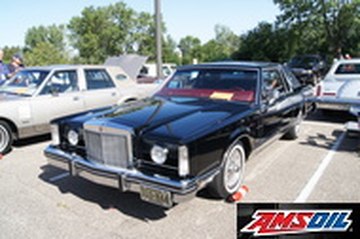
Engine Lubrication and Maintenance for the 1982 Lincoln MARK VI 5.0L
Maintaining a classic luxury vehicle like the 1982 Lincoln MARK VI requires a disciplined approach to routine service. With the 5.0L engine at the heart of this vehicle, consistent attention to lubrication and fluid integrity is essential for long-term operation. Because these vehicles have been in service for several decades, maintenance strategies often shift from simple scheduled tasks to more observant, condition-based monitoring.
Monitoring Fluid Integrity and Potential Leaks
One of the most effective ways to monitor the health of a 5.0L engine is through regular visual inspections of the engine bay and undercarriage. Over time, various seals and gaskets may undergo changes in elasticity due to heat cycles and age. Rather than assuming a component has failed, owners should look for evidence of seepage or active leaks.
When performing routine checks, pay close attention to the following areas:
- Sealing Surfaces: Inspect the areas where major engine components meet to check for any signs of oil residue or dampness.
- Drain Areas: Check the area around the oil drain plug and the filter mounting surface for any evidence of slow seepage.
- Undercarriage Inspection: Periodically look beneath the vehicle after it has been parked to identify any fresh fluid spots that might indicate a leak developing while the engine is off.
If you notice changes in the appearance or consistency of your engine oil—such as an unusual color or a distinct odor—it warrants further investigation. While many symptoms can have multiple underlying causes, identifying these signs early allows for more controlled maintenance decisions.
Prioritizing Long-Term Engine Care
For owners of a 1982 Lincoln MARK VI, effective maintenance is often about distinguishing between necessary repairs and preventive measures. As a vehicle ages, the priority should be placed on addressing active issues rather than following a rigid, one-size-fits-all replacement schedule for every component.
Establishing a maintenance baseline is highly beneficial if the previous service history of the vehicle is unknown. By documenting current fluid levels, filter conditions, and any observed seepage, you create a reference point to track how the engine evolves over time. This historical record helps in identifying whether a new observation is a sudden change or a gradual development.
When managing an older 5.0L engine, consider these strategic approaches:
- Review Service Records: If available, look for evidence of consistent maintenance to understand the vehicle's baseline condition.
- Condition-Based Decisions: Use the actual physical state of components—such as the flexibility of hoses or the integrity of electrical connectors—to guide your service priorities rather than relying solely on the age of the vehicle.
- Monitor Consumption: Keep a close eye on how much lubricant is required between service intervals to detect any changes in engine efficiency or sealing integrity.
Observing Potential Warning Signs
While modern vehicles often rely heavily on electronic sensors, older engines require more direct observation from the operator. Recognizing subtle changes in how the vehicle operates can prevent minor issues from becoming significant mechanical concerns.
An unusual mechanical noise or a change in how the engine idles may be associated with various factors, including lubrication quality or component wear. Similarly, if you notice any unexpected exhaust smoke, it should be investigated to determine the source. It is important to remember that symptoms like these are not definitive diagnoses; they are indicators that a closer inspection of the engine and its supporting systems is required.
If an oil-related warning indicator appears on the dashboard, this requires immediate attention. Such signals can stem from various issues ranging from low fluid levels to fluctuations in system pressure, and should never be ignored.
General Maintenance for Aging Components
Beyond the engine's internal lubrication, several peripheral systems benefit from regular inspection. For a vehicle of this era, many components are made of materials that can become brittle or degraded over time.
If equipped, inspect all accessible drive belts for signs of cracking, glazing, fraying, or general deterioration. Similarly, if the vehicle is equipped with various hoses, check them for softness, swelling, or hard spots that might indicate they are nearing the end of their service life. Electrical connections and wiring should also be inspected for any signs of corrosion or insulation damage, as these can impact the overall reliability of the engine's management systems.
Maintaining a clean environment around the engine is also helpful. Accumulated debris can trap moisture or hide small leaks, making it more difficult to perform accurate visual inspections. A clean engine bay facilitates better monitoring of the very components that require your attention most.
Effective Record Keeping for Ownership
For those committed to the long-term preservation of a 1982 Lincoln MARK VI, maintaining a detailed log of all service activities is invaluable. This includes not just oil changes and filter replacements, but also any observations made during routine inspections, such as "noted slight seepage near the valve cover" or "replaced serpentine belt due to surface cracking."
Detailed records provide several advantages:
- Informed Decision Making: You can see patterns in fluid consumption or component wear over months and years.
- Resale Value: A well-documented history of consistent maintenance is a significant asset for any classic vehicle owner.
- Diagnostic Assistance: If you ever require professional mechanical assistance, providing a clear history of recent work and observed symptoms can significantly speed up the diagnostic process.
Practical Guidance for Buying Engine Oil for your 1982 Lincoln MARK VI 5.0L
When it is time to replenish your engine's lubricant, the most important step is to ensure the product matches the specific requirements of your application. Because different formulations offer different properties, such as varying levels of oxidation resistance or deposit control, you should select a product that aligns with the information provided for your vehicle.
To make an informed purchase, follow these steps:
- Match Application Data: Refer to the specific viscosity and application information already displayed on this webpage to ensure you are selecting the correct grade.
- Evaluate Formulations: Depending on your engine's current condition and your driving habits, you may choose between conventional, synthetic blend, or full synthetic oils. Some high-mileage oil formulations also contain additives intended for use in aging engines, including seal-conditioning additives.
- Verify Quality: Always check the product labeling to ensure the oil meets the appropriate API certifications for modern service.
- Avoid Assumptions: Do not rely on general automotive knowledge or assumptions based on the vehicle's age; always prioritize the specific technical data provided for this 5.0L engine.